Enabling Autonomy
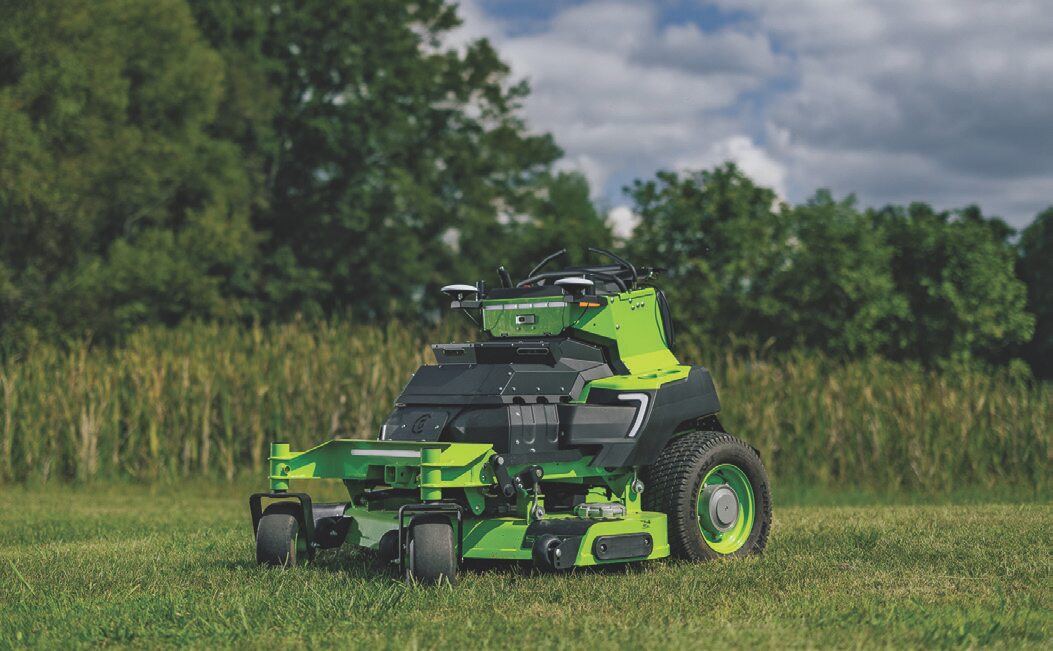
Autonomous solutions are one of the fastest-growing outdoor power equipment (OPE) segments — especially when it comes to mowing and mower technology. Behind the latest mowers is software that enables the autonomous features.
For example, Greenzie — a software platform that enables commercial mowers to operate autonomously — features a current partner lineup that includes Wright Manufacturing, Bobcat, Mean Green Mowers, and Greenworks Commercial.
According to Greenzie CEO Charles Brian Quinn, this allows OEMs and their dealers to “ bring autonomy to market through the equipment and channel relationships contractors already trust, without the added cost and complexity of building autonomy infrastructure themselves.”
The software allows the operator to define the mowing area by mowing the job boundary and identifying any keep-out zones, then enables one or more autonomous mowers to handle the repetitive mowing while the operator focuses on edging, trimming, blowing and other detail work. The Greenzie system allows operators to move between manual and autonomous operation as needed.
“The result is a workflow that fits into how commercial landscape work already gets done, rather than forcing crews to adopt an entirely new process,” Quinn stated.
According to Quinn, software updates deploy automatically with no planned downtime or interruption to availability. As a result, operators continue to benefit from the latest software improvements without needing to bring machines out of service for a manual update.
The landscape industry is still in the early adopter phase when it comes to autonomous solutions, but it is clearly moving toward broader market acceptance, Quinn stated.
“Autonomy is no longer theoretical to most people,” said Quinn. “Consumers now see autonomous systems in everyday life, whether it’s Waymos in cities, self-driving features in Teslas, or robot food delivery systems. That familiarity is helping reduce skepticism, and making commercial autonomy easier to understand. In landscaping specifically, the growth driver is practical, not novelty-based: contractors are looking for ways to do more with the crews they have in a market where labor remains constrained.”
According to Quinn, OPE dealers should understand that autonomy is fast becoming a legitimate commercial equipment category, and there will be a significant advantage for those who learn how to position it clearly and confidently.
“The sales conversation is not about replacing crews,” he said. “But rather about improving output, consistency, and labor efficiency by reducing labor needs and helping contractors continue to serve and grow their business without relying on additional hard-to-find staff. This is more than a technology conversation; it is a productivity conversation.”
On the service side, the OEMs and dealers continue to support the machines and own customer relationships. The software provider offers training, support and resources to help manufacturers and dealers sell, demo, and support the autonomous machines.
This article originally appeared in OPE+, sister publication to SportsField Management magazine.