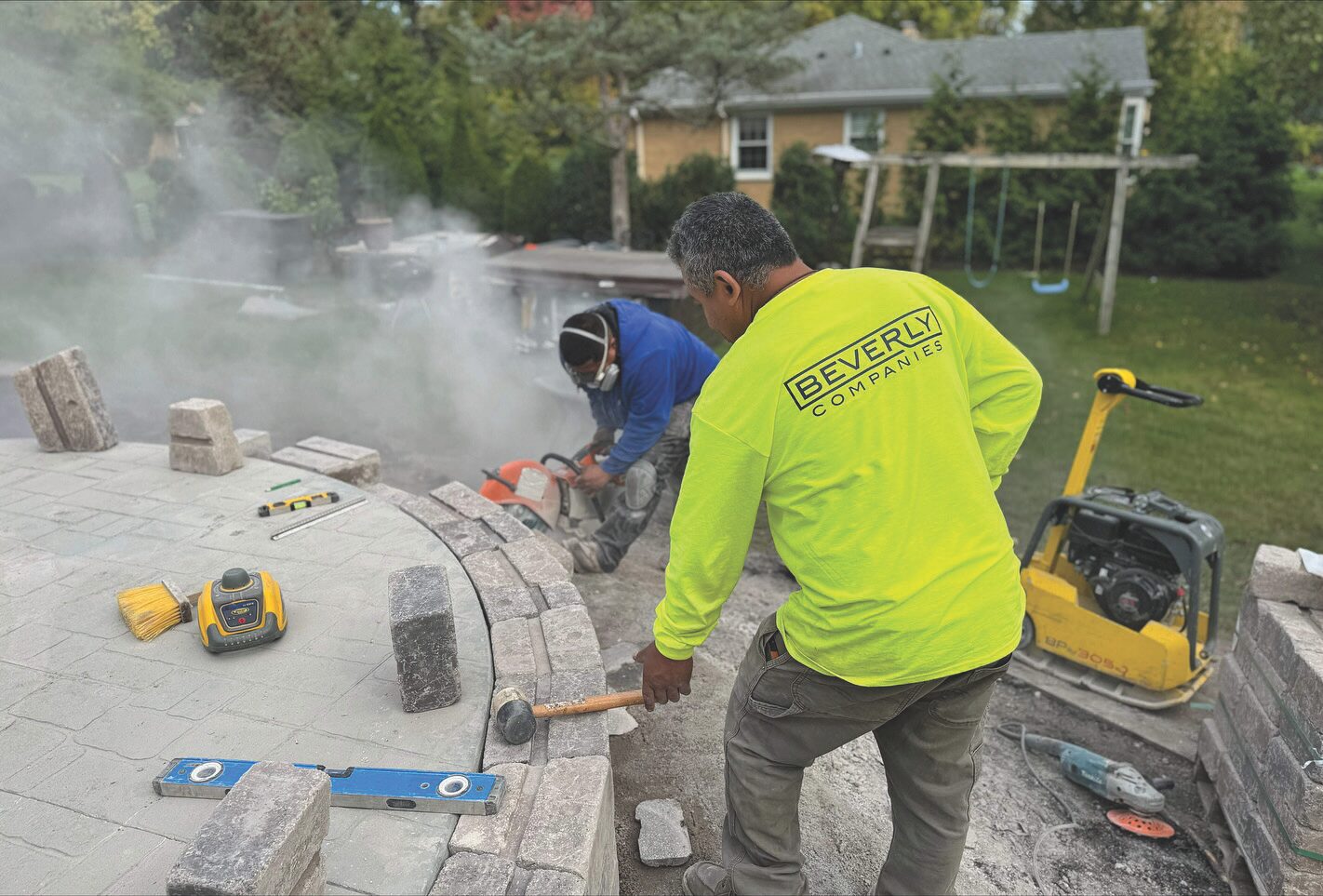
Built to last
Key strategies for running a stable valuable landscaping business
By Tom Marsan
Building a strong landscaping company isn’t about having the flashiest logo or the lowest bid. It’s about creating a business that can perform consistently in every season, scale without chaos and earn long-term trust from clients and employees alike.
Here are the core principles that separate stable, growing companies from those that struggle to sustain momentum.
Know who you are and lead accordingly
Every company needs a clear identity. The strongest landscaping businesses blend old-fashioned service values — hard work, accountability and responsiveness — with modern systems and technology.
Early on, most owners wear every hat, but growth begins when leadership evolves. That means hiring strong managers, empowering them to run day-to-day operations and shifting the owner’s focus to long-term strategy and reinvestment. You can’t scale if you’re trapped in the truck.
Build leaders who lead from the field
Credibility matters in this industry. Teams respect leaders who understand the work and are willing to step in when needed.
When managers are visible during snow events, willing to troubleshoot equipment issues and ready to help crews under pressure, it builds morale and loyalty. That culture becomes critical during overnight storms and high-stress situations.
Strong companies don’t just hire managers; they develop adaptable leaders who can solve problems in real time.
Grow steadily, not recklessly
Fast growth can break a company faster than slow seasons. Sustainable landscaping businesses focus on steady, manageable expansion. That allows them to:
Hire intentionally
Train thoroughly
Maintain service quality
Protect culture
Flexibility also plays a role. Renting equipment during peak seasons, maintaining trusted subcontractors and avoiding overcommitment prevents both burnout and missed opportunities. Controlled growth builds durability and establishes credibility.
Invest in equipment and standardize it
Equipment quality directly impacts performance, morale and profitability. Reliable, well-maintained equipment is a direct investment in performance and people. It reduces costly downtime, improves overall service quality and gives crews confidence in the tools they’re using. When operators know equipment will show up and function properly, retention improves. Strong equipment standards also make recruiting far easier in a competitive labor market.
Standardizing truck models and core equipment simplifies maintenance, reduces parts inventory complexity, and makes training easier. And in winter operations especially, backup equipment isn’t optional, it’s insurance.
Use technology to protect margins
Modern fleet technology is no longer a luxury; it’s a core part of running a disciplined operation. GPS tracking, dash cameras and equipment monitoring systems provide real-time data that protects both drivers and the business. The technology can improve safety, reduce liability exposure, monitor idle time, track maintenance needs and optimize equipment usage.
Technology doesn’t replace leadership, but it creates the visibility needed to make smarter decisions. The same principle applies to CRM and operational software — automation increases efficiency, yet strong internal processes and accountability must still drive the operation.
Train with intention
Preparation prevents panic. The most successful companies invest heavily in preseason training. Smaller, hands-on training sessions often outperform large classroom-style meetings. On-site walkthroughs, equipment demos and clear expectations reduce confusion when storms hit.
As properties grow larger and more complex, specialized strategies such as dedicated sidewalk crews and properly outfitted support vehicles become essential to maintaining efficiency.
Develop future leaders from within
Hiring is important but retention and development are more powerful. Strong companies identify individuals with drive, patience and composure under pressure. Leadership responsibility is introduced gradually: five crew members one year, 10 the next and eventually full management roles. Technical skills can be taught. Character and temperament are harder to instill.
Make communication your competitive edge
In an era of automation, simply answering the phone sets a company apart. Proactive communication, such as letting clients know when crews were onsite and when they’ll return, can build trust. Quick follow-up on concerns reinforces reliability.
Referral programs can support growth, but consistent service and communication remain the true drivers of long-term contracts. Price may win a job; communication keeps it.
Adapt to changing weather and markets
Weather patterns are becoming less predictable. That requires flexible contract structures, balanced seasonal and per-visit agreements and clear language around ice management. Companies that adjust pricing models and service structures to reflect real-world conditions protect both profitability and client relationships. Adaptability is a strength.
There is no secret formula for building a strong landscaping business. Success comes down to maintaining a clear identity, empowering strong leadership, committing to steady growth and consistently reinvesting back into the company.
It requires reliable equipment, smart use of technology, intentional training and disciplined communication. When old-school work ethic is paired with modern systems and structure, it creates stability in a seasonal industry — and that stability is what transforms a landscaping company into a longterm, scalable business.
Tom Marsan is general manager at Beverly Companies in Chicagoland. He is a certified snow professional who has been in the landscaping and snow removal industry for nearly two decades. He is an active member of Landscape Illinois and the Snow and Ice Management Association.