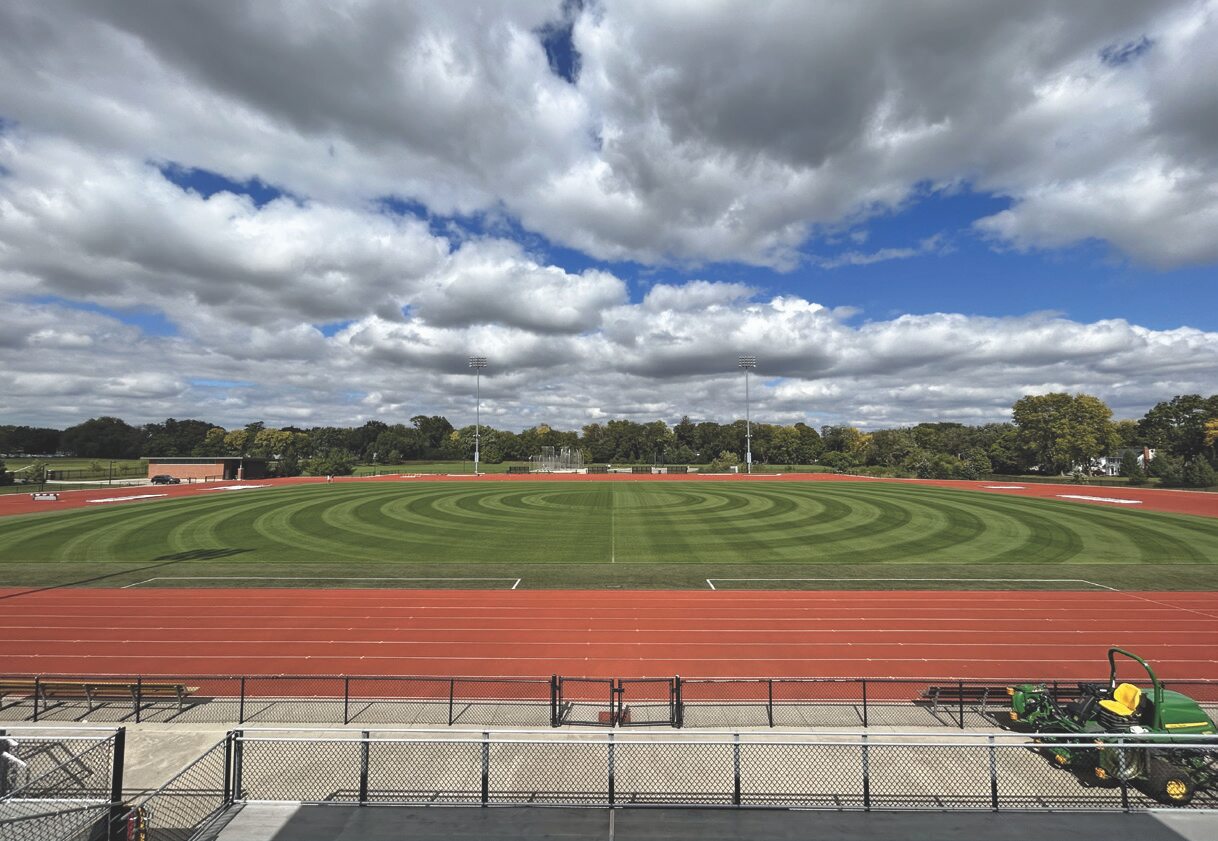
Photo courtesy of Iowa Sports Turf Management
Budget Crunch? You Can Still Renovate Your Field
By Mary Helen Sprecher
“Champagne taste on a beer budget” is a familiar expression. But what is the corollary when it comes to sports facility upgrades: World Series taste on a tee-ball budget?
That might be an overstatement, but the struggle to make do with limited finances is a very real and pressing concern nationwide. And, of course, the next question is this: What can you do to economize without sacrificing the final project?
Prioritize your needs
Create a plan for your budgeting as it pertains to the project. If, for example, you’re upgrading a current facility, write down your wish list, then break it into sections. These should include the following:
Immediate needs: These are the items that can’t be deferred to another season or another fiscal year. In general, these are needs that affect the playability of the facility and the safety of the players who use it, as well as that of the spectators who come to take in a game.
Intermediate needs: Maybe this isn’t an immediate priority, but what else would you like to get done this year, if at all possible?
Not priority needs: What can you put off until the next season or the next fiscal?
Once you have your list, you have a plan of attack. Next it’s time to investigate your options. Research
opportunities to leverage additional funding through grant programs or sponsorships that could help you gain a new revenue stream. Look inside and outside your immediate community.
Once you have a plan and a budget, speak to a contractor with sports-specific expertise who can provide advice, as well as knowledge of other ways to get the best value for the project.
Invest, don’t just spend
Sports facility contractors have long championed the approach of investing in facilities, rather than simply spending money on them (or, as the slang term goes, throwing money at them).
For example, drainage is an investment. It might not be as eye-catching or exciting as, for example, a video scoreboard, but it will pay dividends in helping avoid rainouts. If a field has had problems with muddy or boggy conditions, or if it does not drain well, upgraded drainage is a sound investment.
Another good investment is irrigation systems that do not waste water or oversoak fields; smart systems with rain sensors are able to detect rainfall and automatically shut off sprinklers (or keep them from turning on).
Perhaps the best investment in a facility, however, is a solid maintenance plan. No field, no matter what it costs to build or rehab, will remain playable without a well-defined maintenance schedule that includes work done on a daily, weekly, monthly, seasonal and annual basis. Care includes looking at the facility holistically. Athlete performance and experience depends on an understanding of the interconnectedness of the grass and the soil, the weather and the use patterns, the seasons and any risks or problems that might present themselves.
Leverage technology to save money
LED lighting has been shown to be not only better aesthetically, with good color rendering, but more easily aimable — meaning fewer complaints from neighbors about light spill or sky glow. Perhaps the most remarkable of all of LED’s advantages is its energy-efficiency, which translates into cost savings. In general, an LED system can help field owners leverage 50 percent in energy savings over the use of older lighting such as high-intensity discharge (metal halide). A lighting contractor can provide information as it pertains to a specific facility, taking into consideration operating hours and seasonal use.
Another way of saving money in terms of lighting installations is to have the lighting contractor evaluate the efficacy of installing the new lights on any existing poles. This will save time and money. The lighting vendor will be able to evaluate the condition of the existing poles, and to make recommendations on the height and positioning of the new fixtures on them.
Over the years, LED systems have come down in price, thanks to more widespread manufacturing and better availability of systems. A number of vendors provide sport-specific systems; seek those, rather than lighting for more general use.
Unfortunately, one of the downfalls of this has been the prevalence of pop-up ads that show LED systems at incredibly low costs. Before clicking on such ads, remember that the systems they advertise tend to have limited functionality and may not provide what your facility needs.
Additionally, many inexpensive systems are manufactured outside of the country (where there are low product manufacturing standards) and may not offer the buyer any customer support if problems are encountered. A better choice is a domestically manufactured sports-specific system that is backed by a reputable company with references from users who can speak to the customer service experience before, during and after installation.
Other technologies are proving to be a sound investment as well. For example, robotic field painters can mark all lines easily and precisely in less than two hours (often less than 30 minutes), at a time and labor savings of 90 percent.
Autonomous devices employ GPS technology to do the job, using the field’s coordinates to drive along the grass and leave accurate lines of paint to create yard lines, hash marks, numbers and everything in between. Not only are fields marked quickly but staff members can be redistributed to other, more pressing tasks.
To stay within their budgets, school districts, recreation departments, sports parks and others are pooling their funds to purchase these types of equipment, and simply trading it back and forth as needed.
Renovating synthetic fields
If the field under consideration for renovation is synthetic, a few options can help lower the cost of the upgrade:
Reuse of the field base, if it is structurally sound
Reuse of the irrigation system, if it will perform well with the new surface
Recovery and reuse of the shock pad or e-layer
Removal and reuse of the infill in the new field
Selling or donating the old surface, rather than having it trucked to a landfill.
As field managers increasingly find themselves navigating a landscape that includes funding cuts and slimmer budgets, the need for creative cost-saving solutions will continue.
Mary Helen Sprecher wrote this article on behalf of the American Sports Builders Association (ASBA). Need more information? ASBA’s website (www.sportsbuilders.org) has resources to help. The Find A Member feature on the site allows for easy lookup of builders, design professionals and suppliers in the industry.